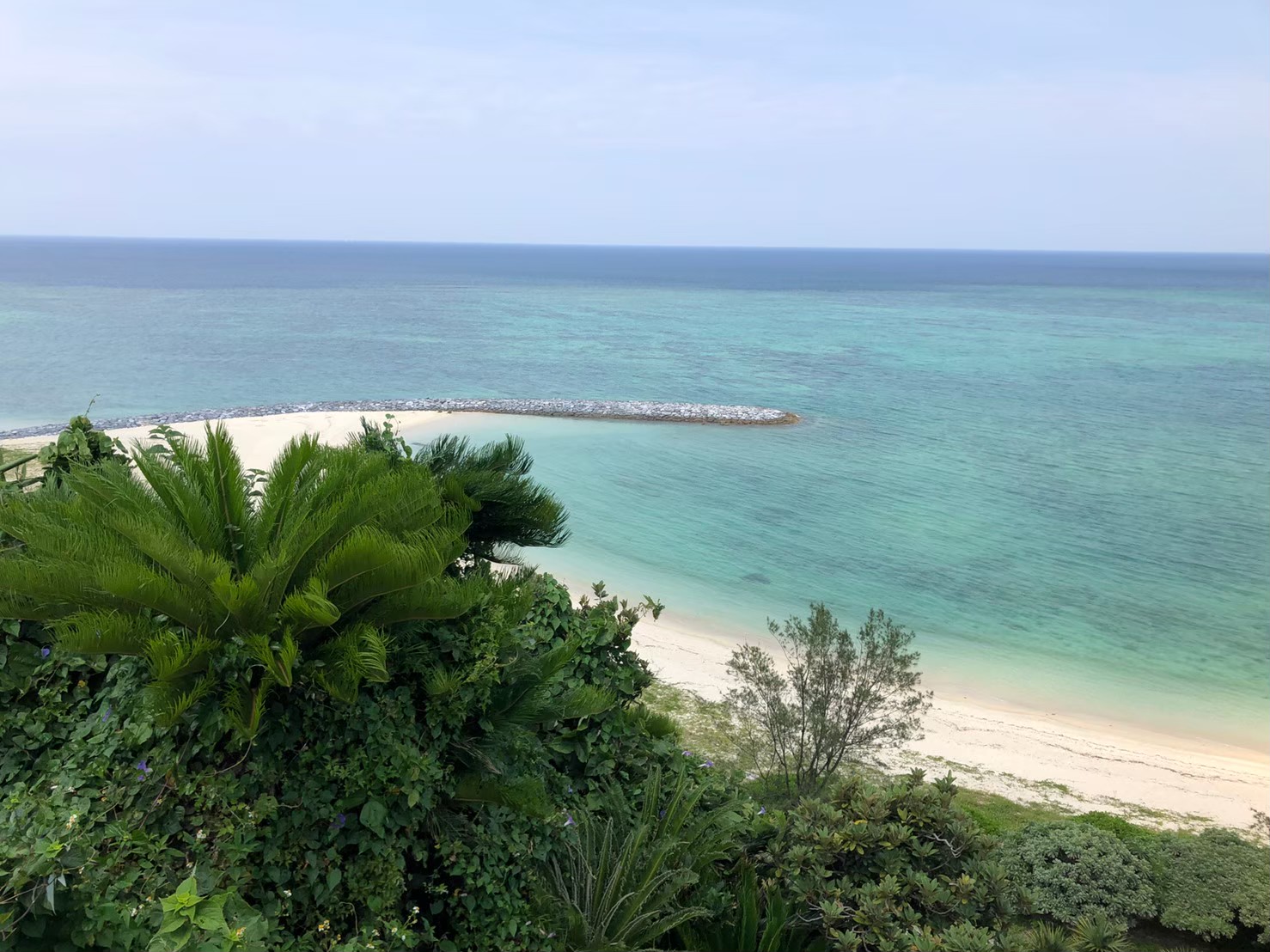
今帰仁「村民の浜」静けさと透明感が強い“隠れビーチ”で撮影する
@scenescoutjp
Scene Scout Japan|撮影スポットガイド
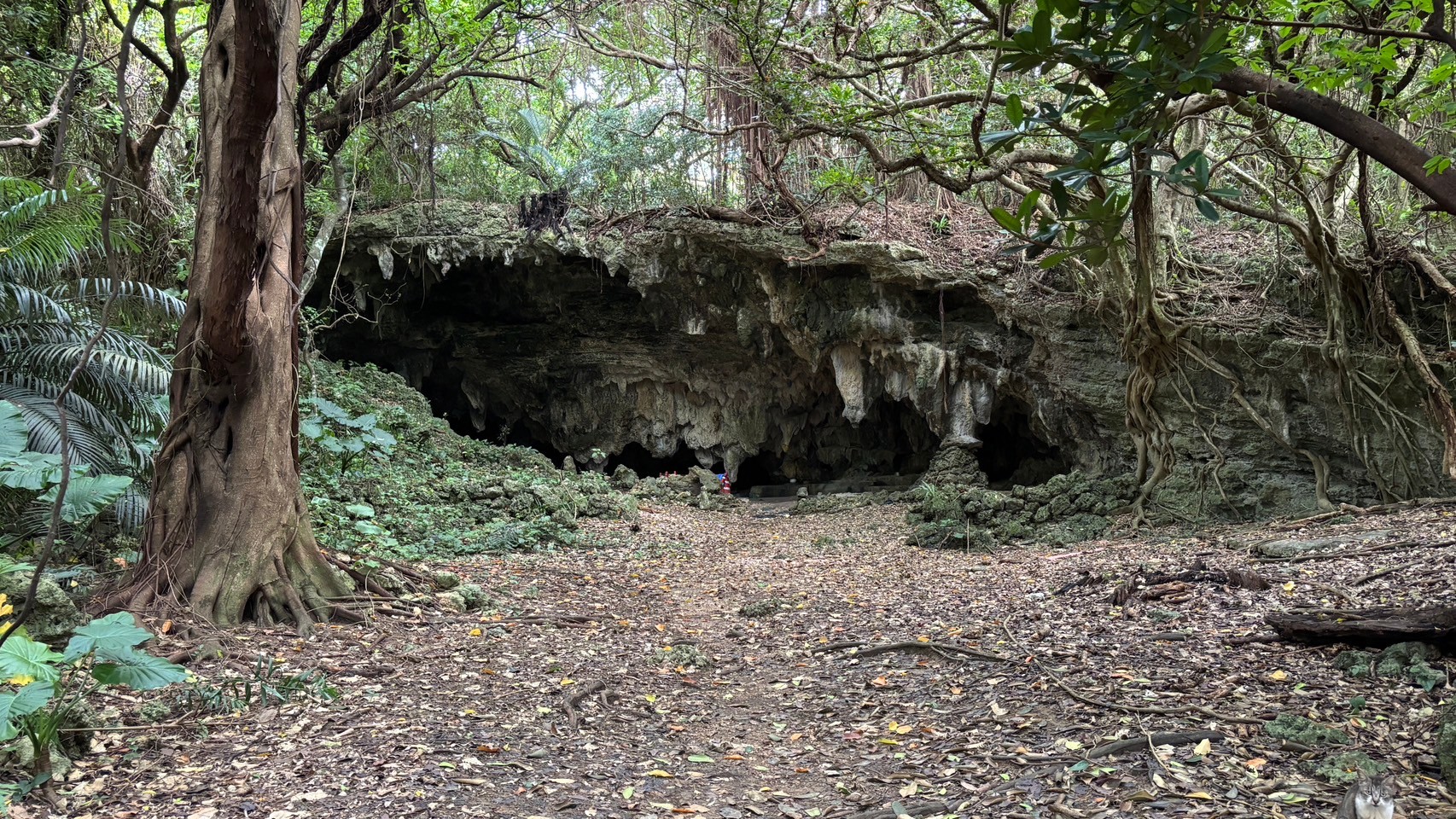
Yabuchi Cave Site (Janē Cave / Janē Gama) | A forest-hidden cave where prayer and ancient time still linger (Uruma, Okinawa)
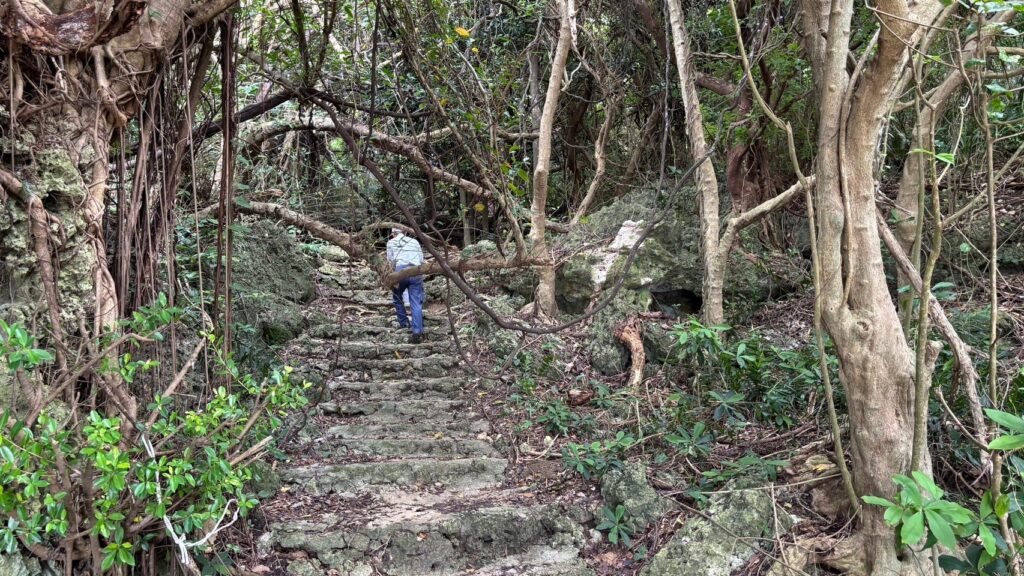
沖縄本島から橋で渡れる小さな離島「藪地島(やぶちじま)」。
その島のいちばん奥、未舗装路の先にひっそりと存在するのが、藪地洞穴遺跡(ジャネー洞/ジャネーガマ)です。
鍾乳洞のダイナミックな口と、森に包まれた静けさが同居する空間で、観光地というよりは“場所そのものが持つ圧”を感じるロケーションでした。
Introduction
Yabuchi Island is a small island you can reach from Okinawa’s main island via a bridge.
At the far end of the island—beyond an unpaved road—sits the Yabuchi Cave Site, also known as Janē Cave / Janē Gama.
With a dramatic limestone cave mouth and a stillness wrapped in forest shade, this is less of a tourist spot and more a place with a strong, almost physical presence.
入口は横に大きく開き、琉球石灰岩特有のゴツゴツした質感と鍾乳石が、自然光だけでも十分に画になります。
森の木陰で入口付近は薄暗く、日中でも光が落ちるので、コントラストの強い絵・ミステリアスな雰囲気が作りやすい印象です。
Location 특징 (from a shooter’s point of view)
The mouth of the cave opens wide horizontally, and the rugged texture of Ryukyu limestone combined with stalactite formations reads strongly even in natural light.
Because the entrance sits in deep forest shade, it remains dim even during daytime—ideal for high-contrast visuals and a mysterious atmosphere.
ジャネー洞は地元では信仰の対象でもあり、拝所(うがんじゅ)として使われています。
そのため、単なる自然洞ではなく、人の気配(文化・信仰)が残る背景として、ドキュメンタリーやドラマのシーンにも相性が良い場所です。
Janē Cave is recognized locally as a place of worship (uganju).
This means it’s not just a natural cave, but a location where a sense of human presence—culture and faith—still remains, making it well-suited for documentary work or dramatic scenes that require subtle tension.
ここは考古学的には「藪地洞窟遺跡」と呼ばれ、縄文期(貝塚時代)の遺物が出土しています。
近年は1万年〜9000年前の人骨片が出土したことでも話題になり、沖縄の先史を語る上でも重要な遺跡です。
Archaeologically, the site is known as the Yabuchi Cave Ruins, where artifacts from the Jōmon period (Shell Mound period) have been found.
In recent years, discoveries including human bone fragments dating roughly 10,000–9,000 years ago have drawn attention, making it an important site for understanding Okinawa’s prehistoric history.
結論:ロケハンは“軽装NG”。
足元は岩場+土+落ち葉で滑りやすく、特に雨上がりは危険度が上がりそうです(スニーカー推奨、サンダルは非推奨)。
Access / on-site logistics (practical scouting notes)
Bottom line: this is not a “light gear” scout.
The ground is a mix of rock, dirt, and fallen leaves—slippery, especially after rain. Sneakers are recommended; sandals are strongly discouraged.